stonecatchers
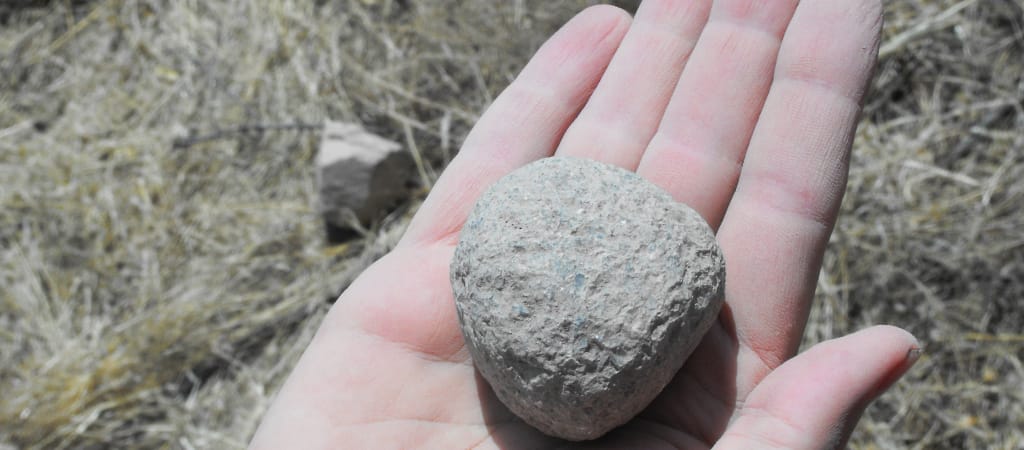
I’ve allowed myself to become stuck in the aftermath of both the campaign and the election. The volume of discourse has been overwhelming, even when those talking on the same side. Opinions about everything from sexism to safety pins feel as though most all of them are shouted. I haven’t wanted to join in, even though I sort of naturally talk loudly.
At the same time, I don’t want to sit silently while people I love are fearful of what the near future might hold. And I certainly have my opinions about our political process and what we need to do to set things on a better course, but this post is not going to be about that. I want to tell you about words I found that gave me hope, and something to say.
I have been reading Just Mercy: A Story of Justice and Redemption by Bryan Stevenson, who is the founder of the Equal Justice Initiative. We would all do better if this were required reading for the entire country. Stevenson tells the story of his working to get a man named Walter McMillian off of death row in Alabama. Walter, who was from Monroeville, Harper Lee’s hometown, had been unjustly convicted. The book not only tells the story of his work to free Walter, but he tells of the birth and growth of his organization as they work to help those crushed by our brutal prison/justice system.
Read it. Finish reading this first.
Towards the end of the book, he talks about meeting a woman who said she came to the courthouse everyday to help people. Many years before, her son had been murdered by two other teenagers, all of them African American. The boys were tried as adults and imprisoned as such. She spoke of a woman who had sat with her in those days, and she came each day. Part of what she said was,
All these young children being sent to prison forever, all this grief and violence. Those judges throwing people away like they’re not even human, people shooting each other, hurting each other like they don’t care. I don’t know, its a lot of pain. I decided that I was supposed to be here to catch some of the stones people cast at each other. (108)
Stevenson said later that evening he was speaking to a church group interested in Walter’s case. He talks about a story from John 8, where a crowd of men bring a woman to Jesus, saying the caught her in the act of adultery and that she deserved to be stoned to death. They were armed and ready. Stevenson says,
I also reminded people that when the woman accused of adultery was brought to Jesus, he told the accusers who wanted to stone her to death, “Let he who is without sin cast the first stone.” The woman’s accusers retreated, and Jesus forgave her and urged her to sin no more. But today our self-righteousness, our fear, and our anger have caused the Christians to hurl stones at the people who fall down, even when we know we should forgive or show compassion. I told the congregation that we can’t simply watch that happen. I told them we have to be stonecatchers. (108-9)
Stonecatchers. I was a little over halfway home on the train when I read those words and I put the book in my lap and said, “That’s it!” out loud. Only a couple of people looked up.
Stonecatchers.
I thought of a friend in Boston whose Facebook feed has had some anonymous slurs because he is Muslim. I watched as friends chimed in to remind him he was loved and safe, catching stones as they could.
I thought of Wilshire Baptist Church in Dallas, a place dear to my heart. This week they voted to be a welcoming and affirming congregation, giving LGBTQ full rights of membership. The Baptist General Convention of Texas (BGCT) sent a letter before the vote was finalized telling them they would be thrown out. I watched as people gathered around the church, telling stories and catching stones.
Stonecatchers. It’s not a sentimental image. It’s painful work. This is no egg toss. And I am mindful as I think about Jesus watching those smug and sanctimonious men walk away that he didn’t pick up one of the stones and peg one of them between the shoulders. We don’t catch stones to return fire.
One of the stories from Hebrew scripture that I keep coming back to has stones of its own. After the people had been freed from slavery in Egypt, Joshua told them to stack up the stones and build an altar so that when children in later years asked what the stones meant they could tell the story of what God had done.
The air is thick with stones these days. Let us catch all we can and stack them up so when those who come after us ask what the stones mean the answer will be something other than they were how we destroyed one another. Let us catch the stones and stack them up, not as walls, but altars and sanctuaries that we might one day say, this is how we learned to love one another.
Peace,
Milton